Unlocking New Possibilities in Spatial Visualization, with Expanding Applications in Smart Scenarios
In recent years, as display technology advances toward “lighter, thinner, more transparent, and scenario-specific” development, transparent LED displays have gained rapid traction in commercial retail, architectural media, transportation hubs, cultural and tourism venues, and other fields, thanks to their core advantage of “balancing transparent visibility with dynamic presentation.” They have become a key driver for integrating the visual economy with spatial intelligence. According to data from third-party market research institutions, the global market size of transparent LED displays exceeded 5 billion yuan in 2024, and the compound annual growth rate (CAGR) is expected to remain above 25% over the next three years. Technological iteration and scenario expansion serve as the dual engines for the industry’s growth.
High Transparency, Light Weight, and Flexible Adaptability: Technological Breakthroughs Overcome Scenario Limitations
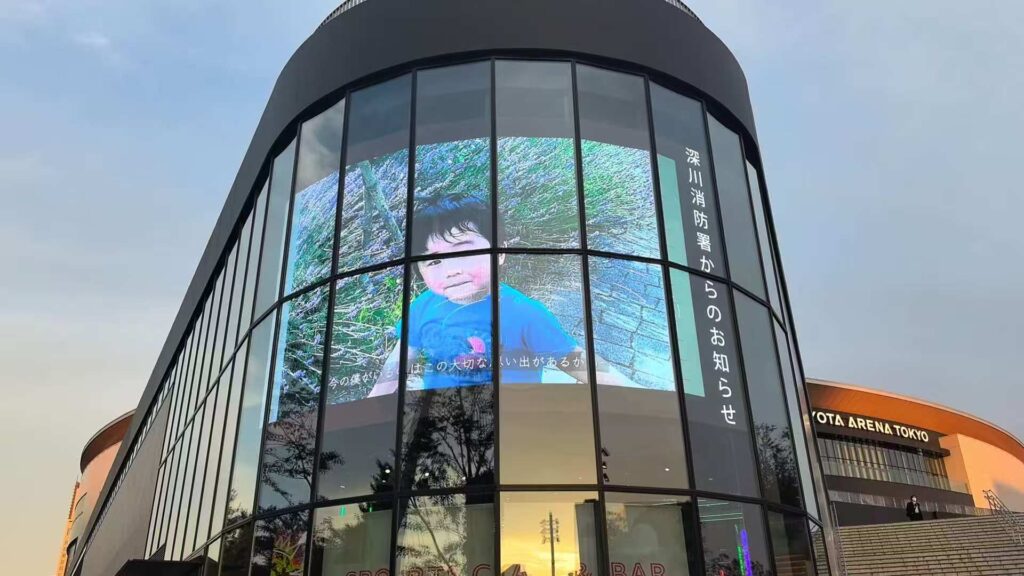
Compared with the drawbacks of traditional LED displays—such as “blocking visibility and cumbersome installation”—transparent LED displays have achieved a “balance between functionality and aesthetics” through core technological innovations. Currently, the transmittance rate of mainstream products generally reaches 90%-95%. Some high-end models, equipped with Mini LED chips and invisible grid circuit designs, can achieve the effect of “vibrant color display when turned on and invisible integration with glass curtain walls when turned off,” which completely does not affect the original lighting and appearance design of buildings.
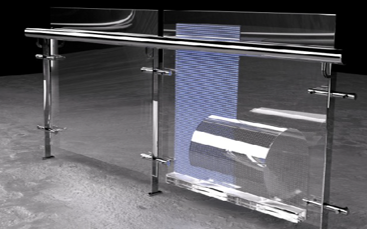
In terms of form adaptability, the industry has launched flexible transparent screen modules with a thickness of only 2-5mm, supporting a bending range of -60° to +60°. These modules can be attached to irregular carriers such as curved shop windows, cylindrical glass, and irregular building facades. For instance, a transparent LED film screen developed by a technology enterprise weighs only 1.3kg per square meter and can be directly attached to glass surfaces via a self-adhesive process, eliminating the need for complex steel structures. This reduces installation time by over 60% compared to traditional products and significantly lowers the renovation threshold for commercial spaces and public venues.
Furthermore, with the popularization of Chip-on-Board (COB) technology, the anti-collision and anti-glare performance of transparent LED displays has been significantly improved. Some products have obtained IP65 protection certification, enabling them to adapt to complex outdoor environments such as rain, fog, and high temperatures, further expanding their application boundaries.
From “Display Tool” to “Interactive Portal”: Diversified Scenarios See Fruitful Implementations
Currently, transparent LED displays have evolved from a single “advertising display” function to “intelligent interaction and data visualization,” forming mature application solutions across multiple scenarios:
Commercial Retail: Redefining the In-Store Window Marketing Experience
In retail scenarios such as high-end apparel, jewelry, and automotive 4S stores, transparent LED displays are replacing traditional static windows. For example, a luxury brand’s store embedded transparent screens in its street-facing windows, dynamically playing videos of product design details and styling scenarios. This increased window appeal by more than 3 times and drove a 28% year-on-year growth in in-store foot traffic. In automotive showrooms, transparent screens are integrated with AR technology—when consumers approach a displayed car, the screen can instantly show vehicle parameters and animated demonstrations of the powertrain, creating an immersive “physical + virtual” explanation experience.
Architectural Media: Creating New Nighttime Landmarks in Cities
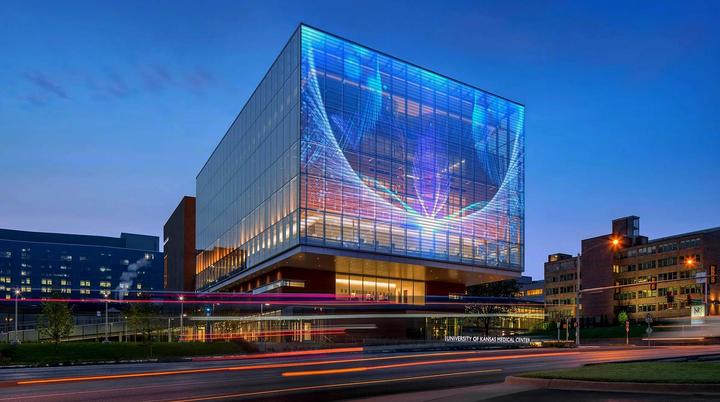
Driven by urban renewal and nighttime economy policies, transparent LED displays have become the core choice for “media-based transformation” of building facades. A commercial complex in Shanghai covered its entire building’s glass curtain wall with transparent screens. At night, it presents dynamic effects such as “light waterfalls” and “urban skyline” through synchronized control—avoiding the light pollution issues of traditional outdoor large screens while becoming a popular check-in landmark for urban night tours, boosting the complex’s nighttime revenue by 40%. In a historical building renovation project in Beijing, transparent screens adopted a “low brightness, high contrast” display solution, protecting the building’s historical style while enabling the dynamic dissemination of cultural IPs.
Transportation Hubs: Enhancing the Efficiency of Information Delivery
In transportation scenarios such as airports and high-speed rail stations, transparent LED displays are installed on security checkpoint glass and airport lounge jet bridge glass. Unlike traditional light box advertisements, transparent screens can update real-time information such as flight updates, boarding information, and weather alerts without blocking passengers’ views, improving information delivery accuracy to over 98%. After Guangzhou Baiyun Airport adopted a transparent screen solution in its international departure hall, passenger inquiries decreased by 35%, significantly enhancing traffic flow efficiency.
Cultural and Tourism Venues: Empowering Immersive Cultural Experiences
In cultural and tourism venues such as museums, science and technology museums, and theme parks, transparent LED displays have become an important tool for “activating cultural content.” A digital exhibition hall in the Palace Museum integrated transparent screens with cultural relic display cases—when visitors view an artifact, the screen can simultaneously show dynamic footage of the artifact’s historical background and restoration process, achieving deep integration of “artifacts + digital stories.” A sci-fi themed amusement park used a large curved transparent screen to create a “time tunnel,” combining audio, lighting, and visual effects to provide visitors with an immersive experience of “traveling through a virtual scene.”
Technological Iteration + Policy Support: The Industry’s Future Holds Promising Potential
Looking ahead, the development of transparent LED displays will focus on two key directions: On one hand, with the gradual mass production of Micro LED technology, the pixel density of transparent screens will further increase, promising the integration of “4K ultra-high definition + transparent display” to meet the needs of high-precision display scenarios such as high-end conference rooms and medical imaging. On the other hand, integration with AIoT technology will transform transparent screens into “intelligent interactive terminals.” For example, integrating facial recognition into shopping mall transparent screens can push personalized advertisements based on consumers’ gender and age; integrating transparent screens in office building elevator halls with building control systems can display real-time data such as indoor temperature, humidity, and air quality.
At the policy level, the “14th Five-Year Plan for the Digital Economy” in many regions explicitly proposes to “promote the application of new display technologies such as transparent displays and flexible displays in smart cities, commercial services, cultural tourism, and other fields,” providing policy dividends for the industry. Industry insiders point out that as technological costs continue to decrease and application scenarios expand, transparent LED displays will gradually shift from “high-end niche” to “mass popularization,” becoming a core growth driver of the future visual economy.